


「え、なんでそうなるの?」
イタリア人の旦那と結婚して一番驚いたのは、文化の違い=価値観の違いでした。
最初は戸惑うことばかりでしたが、今では「これが普通なんだ」と思えるようになりました。慣れは恐ろしいですね(笑)
今回は、実際に感じた
イタリア人旦那と日本人の価値観の違いベスト10をリアルに紹介します。
“Huh, why is it like that?”
The biggest surprise after marrying my Italian husband was the cultural difference = difference in values.
At first, I was constantly confused, but now I’ve come to think, “This is normal.” It’s amazing how quickly you get used to things (lol).
This time, I’ll share the top 10 differences in values between my Italian husband and a Japanese woman, based on my actual experiences.
- ベスト10: 愛情表現がストレートすぎる Top 10: Their expressions of affection are too straightforward
- ベスト9:家族との距離が近すぎる Top 9: Being too close to family
- ベスト8: 時間にルーズ(でも気にしない)Top 8: Always late (but doesn’t care)
- ベスト7:ケンカしても引きずらない Top 7: Don’t hold grudges after a fight
- ベスト6:食事へのこだわりが強い Top 6: Strong preferences regarding food
- ベスト5:仕事よりプライベート優先 Top 5: Prioritizing personal life over work
- ベスト4:自分の意見をはっきり言う Top 4: Clearly state your opinion
- ベスト3:お金の使い方が大胆 Top 3: Bold spending habits
- ベスト2:男女の役割意識が柔軟 Top 2: Flexible attitudes towards gender roles
- ベスト1:とにかくポジティブ思考 Best 1: Always think positively
- まとめ 違いはストレスにもなるけど、魅力でもある Summary Differences can be stressful, but they’re also appealing.
ベスト10: 愛情表現がストレートすぎる Top 10: Their expressions of affection are too straightforward

イタリア人はとにかく愛情表現が豊か。
「愛してる」は毎日言う
ハグ・キスは当たり前
人前でもスキンシップ多めです。
日本人からするとちょっと照れるレベルですが、イタリア人にとっては“普通”です。
結婚する前、初めてのデートで旦那がジェラートを私の口に入れてくること自体に抵抗があったのですが、今は何でもシェアです。
さすがにスキンシップがない私の両親の前ではキスはできるだけしないようにしてます(笑)
Italians are incredibly expressive with their affection.
They say “I love you” every day.
Hugs and kisses are commonplace.
They’re very physically affectionate, even in public.
While it might seem a little embarrassing to Japanese people, it’s “normal” for Italians.
Before we got married, I was initially hesitant when my husband put gelato in my mouth on our first date, but now we share everything.
Of course, I try to avoid kissing him in front of my parents, who aren’t very affectionate (lol).
ベスト9:家族との距離が近すぎる Top 9: Being too close to family

イタリアでは家族が最優先です。
毎週のように実家へ行き、ママとの電話も長いです。
家族イベントが多いので結婚したら、家族紹介はもちろんのこと、親戚や遠い親戚まで紹介されるので覚悟しておきましょう(笑)
日本より「家族中心」の文化が強いです。日本人は仕事を優先にする傾向があるので、気づいたら家族とは疎遠になっていたということも珍しくないでしょう。
たとえイタリアから離れたところに住んでいたとしても、特別な理由がない限り必ず会いに来ます(笑)
In Italy, family comes first.
I visit my parents’ home almost every week, and I have long phone calls with my mother.
There are many family events, so if you get married, be prepared to be introduced not only to your immediate family but also to relatives and even distant relatives (lol).
The culture is more “family-centered” than in Japan. Japanese people tend to prioritize work, so it’s not uncommon for them to become estranged from their families without realizing it.
Even if you live far away from Italy, they will always come to visit unless there’s a special reason not to (lol).
ベスト8: 時間にルーズ(でも気にしない)Top 8: Always late (but doesn’t care)

日本人が一番カルチャーショックを受けるでしょう。イタリア人にとって待ち合わせに遅れるのは普通です。
「今向かってる」がまだ家だったり、「もう少しで着く」が15分以上の場合もあります。旦那の従妹とピザ屋の前で21時に待ち合わせしたところ、結局来たのは21時30分でした。私なら二度と待ち合わせしたくないと思います。
イタリア人にとって時間に遅れることに悪気はありません。
日本の“時間厳守文化”とは真逆なので、正直慣れるのに時間がかかりました。その背景には公共交通機関の遅れも関係してるかもしれません。イタリアの電車や列車が20分から40分遅れるのは日常茶飯事です。私は旅行でイタリアに訪れた際、1時間列車が遅れた挙げ句、さらにホームが変更になりました。イタリア語が分からなかったので同じホームに居続けた結果、親切なイタリア人男性がホームの変更場所を教えてくれたので最終列車に間に合いました。ある意味イタリア人から心のゆとりを教えてもらった気がします。
Japanese people will likely experience the most culture shock. For Italians, being late for appointments is normal. “I’m on my way” might mean they’re still at home, or “I’ll be there soon” might mean 15 minutes or more. I met my husband’s cousin at a pizza place at 9 PM, but she didn’t arrive until 9:30 PM. I wouldn’t want to meet her again. Italians don’t mean any harm by being late. It’s the complete opposite of Japan’s “punctuality culture,” so it might take some time to get used to. Delays in public transportation might also be a contributing factor. It’s commonplace for Italian trains to be 20 to 40 minutes late. When I visited Italy on vacation, my train was an hour late, and then the platform was changed. Because I didn’t understand Italian, I stayed on the same platform, but a kind Italian man told me where the platform had changed, and I made it to the last train. In a way, I feel like I learned about a relaxed attitude from the Italians.
ベスト7:ケンカしても引きずらない Top 7: Don’t hold grudges after a fight

イタリア人は感情を出すのが上手です。言いたいことはその場で言いますし、嘘がそんなに上手くないんですよね。よく言えば正直です。口ケンカは激しいですが短いほうだと思います。翌日には普通に戻っているか、そんなに過去に執着していない気がします。面白いことに、私の旦那と私の母はよく口ケンカします。旦那は我慢せず言いたいことを言う人なので、母にはそれが嫌味に見えるのか口答えをしているように見えるので仲が良くありません。 日本人の「我慢して溜める」とは対照的ですね。逆の立場で私が姑と口ケンカしたとしても、100%本音で思ったことは言えません。嘘ついても、良好な関係を保つ努力をするでしょう。結果的にはそれが原因で精神的に辛くなるんですけどね。
Italians are good at expressing their emotions. They say what they want to say on the spot, and they’re not very good at lying. To put it nicely, they’re honest. Their arguments are intense, but I think they’re relatively short. The next day, they’re back to normal, or they don’t seem to dwell on the past that much. Interestingly, my husband and my mother argue often. My husband doesn’t hold back and says what he wants to say, so my mother sees it as sarcasm or as him talking back, and they don’t get along well. It’s the opposite of the Japanese tendency to “hold back and bottle things up.” If I were in the opposite position and had an argument with my mother-in-law, I couldn’t say 100% of what I really thought. I would probably lie to maintain a good relationship. In the end, though, that would be the cause of my emotional distress.
ベスト6:食事へのこだわりが強い Top 6: Strong preferences regarding food
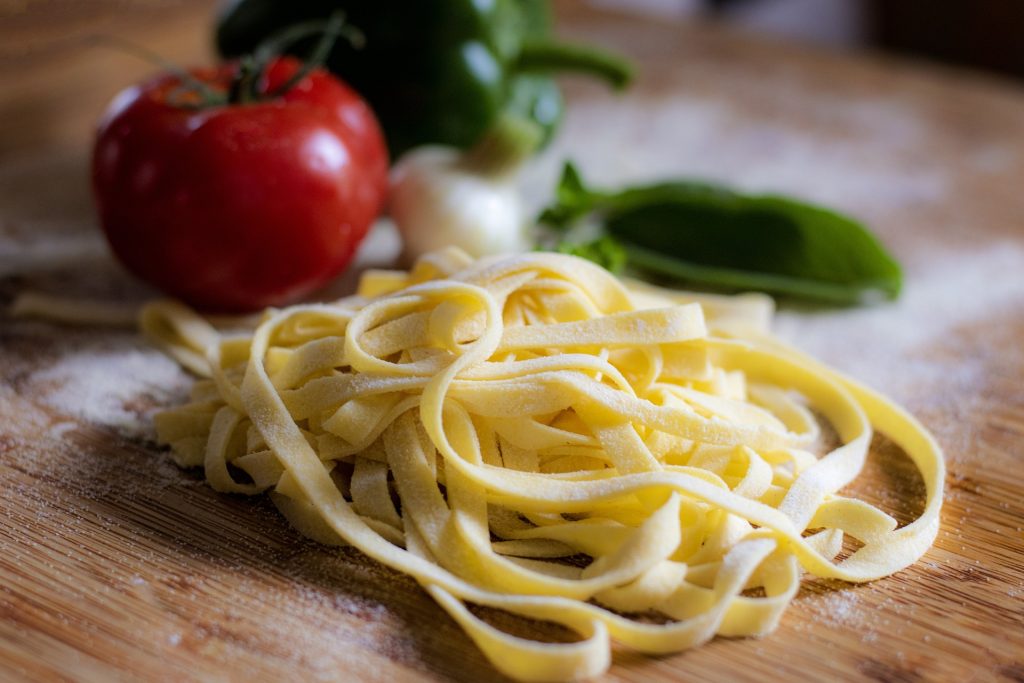
イタリア人にとって食は人生の大切な一部です。例で言うと、パスタの茹で方にこだわります。「ちゃんと一定の塩を入れて」茹でます。もちろんアルデンテです。だいたいの家庭では食事中にスマホやテレビは禁止だったりします。それは「ちゃんと食べる」が重要だからです。
私の旦那の家庭では、テーブルにフォークとナイフ、そしてナプキンが綺麗に用意されてます。食事はいつも手作りで、栄養バランスよく主食、サラダ、チーズ、果物が置いてあります。
素晴らしい食文化だと思います。
うちの家庭では子育てをしてるので、だいたい食事は台所で済ませるか、スーパーで買ってきた総菜を並べて食べてます。たまに立ちながら食事してます。旦那には申し訳ないと思いながら、いつかはイタリア流で食卓を囲めたらいいなと思ってます。
For Italians, food is an important part of life. For example, they are very particular about how they cook pasta. They make sure to add the right amount of salt when boiling it. Of course, it should be al dente. In most households, using smartphones or watching TV during meals is prohibited. This is because “eating properly” is considered important. In my husband’s household, forks, knives, and napkins are neatly set on the table. Meals are always homemade, with a well-balanced meal including a main dish, salad, cheese, and fruit. I think it’s a wonderful food culture.In my own household, because we’re raising children, we usually eat in the kitchen or have ready-made meals from the supermarket. Sometimes we even eat standing up. I feel bad for my husband, but I hope that one day we can share a meal together Italian-style.
ベスト5:仕事よりプライベート優先 Top 5: Prioritizing personal life over work

イタリア人は仕事一筋ではないと思います。なぜなら残業は基本しないですし、有給休暇は進んで家族のために取ります。基本的には家族や趣味を大切にするためです。日本の「仕事優先」とはかなり違いますね。私の旦那は日本の会社に入社して1年未満で有給休暇を消費しましたし、子育て休暇も2ヵ月も取りました。自ら進んで労働組合に入会し、日本の会社の働き方に異議申し立てています(笑)日本人なら怖くてできないところです。そう考えると、海外から日本に働きに来てくれる人たちは日本の働き方に大きな影響を与えてくれる英雄になるかもしれませんね。
I don’t think Italians are solely focused on work. They generally don’t work overtime, and they readily take paid leave for their families. Basically, they prioritize their families and hobbies. It’s quite different from the “work first” mentality in Japan. My husband used up all his paid leave less than a year after joining a Japanese company, and he also took two months of childcare leave. He even voluntarily joined a labor union and is protesting against the way Japanese companies work (laughs). A Japanese person would be too scared to do that. When you think about it that way, people who come to work in Japan from overseas might become heroes who have a big impact on the way Japanese people work.

ベスト4:自分の意見をはっきり言う Top 4: Clearly state your opinion

とにかく主張が強いです。最初はビックリするかもしれません。思ったことはすぐ言いますし、空気を読まずに意見します。会社のミーティングではその方がいいのかもしれませんが、会ったばかりの人にも強い主張をしたりするので日本人だと距離を置く人も多いでしょう。イタリア人は愛国心が強く、個性も強いので、日本人と比べたら真逆に近い存在ですね。YES・NOがはっきりしてるので、日本的な曖昧な解釈はイタリア人にとって好まれないでしょう。最初はキツく感じることもありますが、慣れてしまえばハッキリ意見を言う方が自分にとって心地よいかもしれません。
They are very assertive. You might be surprised at first. They say what they think immediately and express their opinions without considering the atmosphere. This might be good in company meetings, but they also assert their opinions strongly even with people they’ve just met, so many Japanese people might keep their distance. Italians are very patriotic and have strong personalities, so they are almost the complete opposite of Japanese people. They are very clear about YES and NO, so the ambiguous interpretations common in Japan are not well-liked by Italians. You might find them harsh at first, but once you get used to it, you might find that you feel more comfortable with their clear opinions.
ベスト3:お金の使い方が大胆 Top 3: Bold spending habits

日本人よりも“今を楽しむ”タイプです。貯金より経験や
外食、旅行にお金を使います。また高級なブランドを持つことよりそれが“好きかどうか”で決めます。将来より「今の幸せ」を重視するので、そこにお金を使うことに躊躇しません。
将来を見据えた老後の資金計画や10年後、20年後の投資計画や積み立て貯金などには頭を悩ませることはないでしょう。
They are more of a “live-in-the-present” type than the Japanese. They spend money on experiences, dining out, and travel rather than saving. They also choose things based on whether they “like” them rather than whether they own luxury brands. Because they prioritize “present happiness” over the future, they don’t hesitate to spend money on it.
They likely won’t worry about retirement financial planning, investment plans for 10 or 20 years from now, or regular savings.
ベスト2:男女の役割意識が柔軟 Top 2: Flexible attitudes towards gender roles

意外かもしれませんが、男性も家事・育児に積極的です。「手伝う」ではなく使命感としてやります。それは受け身ではなく自発的なものです。とあるイタリア人家庭は、4人家族で子供たちが保育園、幼稚園に通ってます。子供たちの送りは父の役目で、迎えは母の役目になってます。パパはたとえ通勤時間が片道車で2時間かかろうとも子供たちの育児を優先しているため、それを苦だと感じません。家庭内の役割分担も話し合って決めます。私自身もそうですが、子育てを自分一人で行ってる感じがしません。それどころか率先して妻の休息を優先してくれるので、助かっています。
It may surprise you, but men are also actively involved in housework and childcare. They do it not out of a sense of “helping out,” but out of a sense of duty. It’s not passive, but proactive. In one Italian family, there are four children who attend daycare and kindergarten. The father is in charge of dropping off the children, and the mother is in charge of picking them up. Even if the father’s commute is two hours each way by car, he prioritizes childcare and doesn’t find it burdensome. They also discuss and decide on the division of roles within the household. Like myself, I don’t feel like I’m raising children all by myself. On the contrary, my husband takes the initiative to prioritize my rest, which is a great help.
ベスト1:とにかくポジティブ思考 Best 1: Always think positively

最後はこれです。イタリア人は細かいことを気にしないですし、将来のことを考えすぎて不安になることがないですし、立ち直りが早いです。とにかくなんとかなる精神でアドリブが得意だと思います。日本人からするとちょっと羨ましいですね。私の場合は何かを行う時に準備をしていないと不安に思うのですが、イタリア人はそうではないんです。物事が起こった時に適切な対処をすればいいと考えるため、手の込んだ用意や準備はしませんし、計画もあまりしません。旅行も行き当たりばったりでアクシデントばかりですが楽観的な考え方を持っているので結果的に楽しくなります。
Lastly, there’s this: Italians don’t sweat the small stuff, they don’t get anxious thinking too much about the future, and they recover quickly. They have a “it’ll all work out” mentality and are good at improvising. As a Japanese person, I’m a little envious of that. In my case, I get anxious if I haven’t prepared before doing something, but Italians aren’t like that. They think that it’s fine to deal with things appropriately when they happen, so they don’t make elaborate preparations or plans. Even when traveling, it’s often spontaneous and full of accidents, but their optimistic mindset makes it enjoyable in the end.
まとめ 違いはストレスにもなるけど、魅力でもある Summary Differences can be stressful, but they’re also appealing.

イタリア人旦那との生活は、正直大変なこともあります。でもその分、日本にはない価値観を知ることができます。まずは視野が広がること、毎日がちょっと面白くなることです。私の旦那は電車で乗り合わせた人、道であった人、旅行中にあった人、誰とでも気さくに話しかけます。それどころか自宅の近所の人に挨拶をします。隣近所なら理解できますが、隣の隣の家の人とも仲良しです。近年、東京では人との接点がなかなかないように思えます。がしかし、イタリア人を見ていると人との交流を自然に且つ楽しくやっているように思えるのです。日本人と比べると裏表がなく、正直でわかりやすい性格だと思います。そんなイタリア人と日本人の相性はとてもいいものだと思います。お互いに補い合うことでいい化学反応が生まれるはずです。この価値観の違いを楽しみながら自分の成長の糧にできたらきっと人生が豊かになるでしょう。
Living with my Italian husband can be challenging at times, to be honest. But on the other hand, it allows me to learn about values that don’t exist in Japan. First of all, it broadens my perspective, and makes everyday life a little more interesting. My husband is friendly and strikes up conversations with anyone he meets on the train, on the street, or while traveling. What’s more, he even greets his neighbors. I can understand that for immediate neighbors, but he’s even friendly with the people two doors down. In recent years, it seems like it’s difficult to have contact with people in Tokyo. However, when I look at Italians, they seem to interact with people naturally and enjoyably. Compared to Japanese people, I think they are more straightforward, honest, and easy to understand. I think Italians and Japanese people are a very good match. They complement each other, and a good synergy is sure to be created. If you can enjoy these differences in values and use them as fuel for your own growth, your life will surely become richer.
\ 最新情報をチェック /